Creases under the eyes do not behave like forehead lines or crow’s feet, which is why under eye Botox can be brilliant in a narrow set of cases and disappointing in many others. If you have ever heard a friend say, “Botox made my under eyes look worse,” they probably weren’t an ideal candidate or the product was placed in the wrong plane. This area demands restraint, precise anatomy, and an honest plan that may include tools besides neuromodulators.
I have treated thousands of lids over the past decade, and the under eye remains the most nuanced square inch of the face. The skin is thin, the muscle is layered, the fat pads shift with age, and the lymphatic drainage is sluggish by design. In the right hands, micro-doses of Botox can soften a scrunched, etched look when you smile. In the wrong hands, you can trade lines for bulging, a hollowed tear trough, or a smile that looks oddly flat. Let’s make sense of what actually works and what doesn’t for under eye wrinkles, using practical detail you can apply at a consultation.
Why under eye wrinkles are different
What we often call “under eye wrinkles” is a cluster of problems, not one. The orbicularis oculi muscle closes the eye and squeezes outward like a purse string. When you grin, the lateral fibers create classic crow’s feet. The more medial fibers can bunch the lower lid into horizontal crinkles. On top of that, age thins the dermis, UV breaks down collagen, and fat compartments descend. Some patients have malar mounds or festoons, which collect fluid and look puffy, especially after sleep or salt. Others develop true tear trough hollowing. Injecting Botox blindly into this moving puzzle leads to surprises.
Two anatomical realities drive outcomes. First, the lower lid needs tone to support the globe and keep the lid margin apposed to the eye. Over-relax this muscle and you can get a slight lid eversion, scleral show, or more puffiness because lymphatic pumping slows. Second, the skin is some of the thinnest on the body. Loss of dermal thickness is a major contributor to fine etched lines that Botox, a muscle relaxer, cannot fix.
What Botox can do under the eyes
Botox works by blocking acetylcholine at the neuromuscular junction, which reduces the strength of muscle contraction. Under the eyes, the goal is not to “freeze.” It is to slightly soften the bunching of the orbicularis so the skin does not accordion as much when you smile. The best candidates have dynamic lines that appear with expression, minimal under eye fat prolapse, and good lid tone. When I assess a new patient, I ask them to smile and squint. If the lines fade significantly at rest, neuromodulation can help. If the lines are etched into the skin at rest or the lid looks puffy even before smiling, Botox alone rarely satisfies.
Dosing is conservative. Typical under eye micro-doses range from 0.5 to 2 units per injection point, often two to three small points per side, with a total of 2 to 6 units per side. Placement sits just below the lash line, lateral to the punctum, staying superficial and outside the danger zones that risk ectropion. Most people are surprised how small those doses look compared with standard crow’s feet patterns, which commonly run 6 to 12 units per side. Under dosing is intentional here. You can always add more at a 2 to 3 week follow up. You cannot easily reverse a heavy lid.
Results follow the usual timeline. You might feel a hint of change by day three, with peak at day 10 to 14. Longevity averages 8 to 12 weeks in this zone. Unlike masseter Botox for jaw slimming or Botox for frown lines, where 3 to 4 months is common, lower lid dosing is light and wears sooner. Patients who time treatment around events, or who value very natural movement, often prefer the short runway.
What Botox cannot fix under the eyes
There are four scenarios where Botox disappoints. The first is crepey skin from dermal thinning and sun damage. Think of the fine, crosshatched lines that persist when your face is neutral. That is a collagen and elastin story. The second is tear trough hollowing. Relaxing the orbicularis does not fill a void. The third is herniated fat or fluid-prone festoons. Reduce muscle pumping and the area can look puffier. The fourth is skin laxity, especially after weight loss or with age-related ligament attenuation. Botox cannot tighten skin.
For each of these, you need the right tool. I often combine small under eye Botox with collagen-stimulating strategies, gentle resurfacing, or precise filler in the midface, not the lid itself. Lifestyle tweaks matter too. Sleep, salt, alcohol, allergies, and rubbing your eyes can undermine any injectable result. If you are comparing “botox for under eye wrinkles” to “botox for crow’s feet,” remember that crow’s feet are mostly muscle driven. The lower lid is a 50-50 blend of muscle and skin quality for many patients, and sometimes more skin than muscle.
Smiling, squinting, and the “too smooth” problem
One common fear is the frozen smile. In practice, that happens when the injector places too much product medially, or chases every crinkle they see while the patient is actively smiling. The lower lid contributes to genuine expression. Soften it too much and the smile loses warmth. I use a smile scale in my notes, literally rating expressiveness at baseline and at follow up. The goal is to preserve the “eye smile” while reducing the accordion effect by one notch. When we get that balance right, people say their concealer sits better and they look more rested, not different.
Another edge case is the squinter. Some patients unconsciously squint a lot while reading or working at a screen. In those cases, I start more laterally and coach on eye strain habits, blue light filters, and prescription checks, especially if the patient mentions headaches. Sometimes the best “botox for under eye wrinkles” starts at the optometrist.
Techniques that help, beyond Botox
Microneedling, especially around 0.5 to 1.0 mm on the lower lid performed by an experienced provider, thickens the dermis over a series of sessions. Radiofrequency microneedling is helpful in select patients with mild laxity, but settings and depth matter. Fractional non-ablative laser such as 1540 or 1550 nm can smooth texture gradually. For etched lines, a light ablative pass or a precise TCA where to get botox near me peel can be transformative, but downtime runs from a few days to over a week and requires strict aftercare. These methods do what Botox cannot: create new collagen and improve skin quality.
Filler, used judiciously, plays a role, but placement is almost never directly under the lash line. Overfilling the tear trough is the easiest way to create lumps and persistent swelling. I anchor support in the lateral cheek or midface using small volumes of a soft hyaluronic acid and then reassess the lid. Restoring midface projection lifts shadow and reduces the need to chase every line. When hollowing is dominant and skin is thin, I often defer Botox altogether and focus on structure and skin.
If you are seeking “cosmetic botox near me” or a “botox consultation near me,” ask the injector about their approach to the tear trough and their comfort with combined plans. You want someone who can say, “Botox will help this part, not that part,” and who can offer alternatives like gentle resurfacing or midface filler when indicated.
Risks, side effects, and how to avoid the common pitfalls
All injectables carry risk. With under eye Botox, the most practical ones are bruising, swelling, asymmetry, and smile changes. Bruising risk is higher here because of dense superficial vasculature. I ask patients to avoid fish oil, high-dose vitamin E, ginkgo, and NSAIDs where medically appropriate for about one week before injections. Arnica can help some patients, though the data is mixed. I inject with the smallest practical needle, often 32 to 34 gauge, and use a microdroplet technique to reduce trauma.
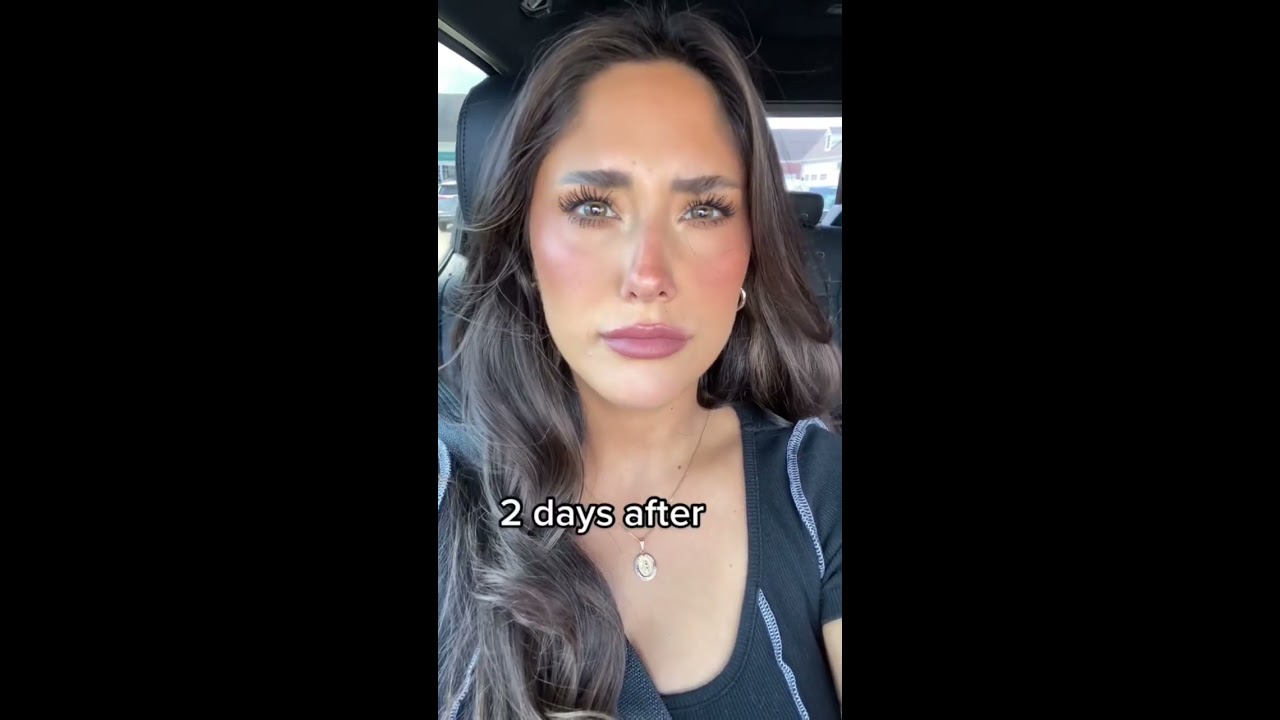
Puffiness after injection is fairly common for a day or two, partly from microtrauma, partly from reduced muscle pumping. Patients with a history of morning under eye swelling are more likely to notice this. I recommend sleeping slightly elevated the first night and avoiding salty dinners. Makeup application after Botox is safe later the same day in most cases, though I prefer a clean face for 4 to 6 hours. Gentle washing is fine the night of treatment. Exercise can resume after 24 hours. Heavy inversion yoga or a sauna that same day can increase redness and swelling, so it is worth waiting.
Two infrequent, but real, complications deserve mention. The first is lower lid malposition, where the lid margin droops subtly. This is usually from either too much product or too deep a placement. The second is diplopia from diffusion affecting the inferior oblique. That is rare with proper technique and dosing, but it is the reason many injectors avoid medial points altogether. If you are exploring “best botox near me” or “top rated botox near me,” ask how many lower lids the provider treats monthly and what their median dose is. Experienced injectors use careful patterns and will talk you through the reasoning.
Who is a good candidate, and who should skip it
Good candidates have dynamic lines that disappear at rest, minimal to no under eye puffiness, and observable orbicularis overactivity when they smile or squint. They tend to be in their 20s to 40s with moderate photoaging, though age is not the main criterion. Men seeking “mens botox near me” often benefit from slightly higher doses elsewhere, but the lower lid still calls for light touch. If someone says, “My concealer creases even when I am not smiling,” I pivot to skin-focused strategies.
Not great candidates include those with festoons, lower lid laxity on snap-back testing, significant tear trough volume loss, or a history of lower blepharoplasty with lax support. If you have chronic allergies, frequent eye rubbing, or dry eye that makes you squint, address those first. Patients on anticoagulants can still be treated with coordination from their physician, but bruising risk is higher and I typically avoid the lower lid in those cases.
If you are pregnant or breastfeeding, Botox is not recommended. For anyone with neuromuscular disorders, active infection, or a known allergy to components of the product, it is contraindicated. It is fine to ask about “cosmetic vs medical botox,” but under eye treatment is squarely cosmetic.
How much does it cost, and how long does it last
Pricing varies by region and practice model. If you search “botox price per unit” or “how much is botox per unit,” you will see ranges from about 10 to 20 dollars per unit in many US markets. Under eye treatment does not use many units, so even if the per-unit cost is on the higher side, the absolute spend can be modest. Many practices do not price the lower lid as a separate area, and instead roll it into crow’s feet if they are treating the lateral fibers. If you are surveying “affordable botox near me,” focus on value rather than the lowest number. A conservative, well-placed 8 to 12 units across the crow’s feet and lower lid can deliver more than a heavier hand at a bargain clinic.
Longevity for lower lid microdosing averages 2 to 3 months. If you are used to asking “how long does botox last” for your forehead or “botox for 11 lines,” the shorter duration around the eyes might surprise you. This is not a failure of the product, it is a reflection of tiny doses and high mobility. Plan on touch-ups two to three times per year if you like the effect. For some patients, a better value is combining a few rounds of neuromodulator with a collagen-building series, then tapering the Botox frequency.
Realistic expectations and how to judge your results
I set three checkpoints. At two weeks, look at dynamic change. Smile and squint. Lines should fold less. At four to six weeks, assess texture and makeup behavior. If your concealer sits smoother with less bunching, that is a win. At two to three months, note how the effect fades. Did a low dose deliver enough benefit to justify maintenance, or are you chasing something Botox cannot fix, such as crepe or volume loss?
Photographs help. I take a neutral, a gentle smile, and a broad smile at every visit. Under eye lines can hide in the lighting and change day to day with hydration and sleep. Objective photos under the same conditions keep us honest. If you are working through “botox results timeline” or “why botox didn’t work,” these comparisons clarify the story.
When under eye Botox makes things worse, and how to recover
Most issues are dose related or candidate related. If the lid looks puffier after injection, I usually wait two weeks before judging. Some swelling resolves as the microtrauma settles. If the look still bothers you, we can reduce the dose next time, shift points more laterally, or skip the medial lid entirely. If your smile feels off, the effect will soften over 6 to 10 weeks. There is no true antidote, unlike filler where hyaluronidase can reverse lumps.
For a patient who developed more hollowness after under eye Botox, the muscle may have been compensating for mild laxity. The fix is to reassess structure and skin. A small midface filler placement, paired with a light fractional laser, often restores balance. This is where “botox placement for natural look” matters. It is less about a magic map and more about reading what the tissue is doing and making small, specific moves.
Where crow’s feet fit into the plan
Many people come in asking for “botox for crow’s feet” and point both to the lateral lines and the crinkles directly under the lash line. It is a reasonable instinct, since both live in the same muscle. In practice, the lateral set responds better and lasts longer. I almost always treat crow’s feet first, then add micro-drops medially if needed. This staggers risk and helps you learn how your smile adapts. If budget is tight and you are scanning “botox deals near me” or “botox specials near me,” use your dollars where the return is higher. Lateral crow’s feet typically deliver more visible value per unit than the lower lid.
Consultation questions to ask
A good consult is a two-way assessment. You evaluate the provider, and they evaluate your tissue. You can keep it simple without derailing the visit. Here is a concise checklist to bring along.
- How many lower lid Botox treatments do you perform each month, and what is your typical dose per side? Do you assess for festoons, lower lid laxity, and tear trough hollowing before deciding on Botox? If Botox is not ideal for my under eye lines, what alternatives do you recommend and in what sequence? How do you handle touch-ups and asymmetry at the two-week visit? How do you minimize bruising in this area?
If a provider answers clearly and can show before-and-after photos with natural smiles, you are on the right track. If they push heavy dosing on the first visit or dismiss your concerns about smile changes, keep looking. Searching “botox appointment near me,” “same day botox appointment,” or “walk in botox near me” can be convenient, but do not trade speed for judgment around the eyes.
Aftercare that actually matters
The first day is simple. Keep your head up for a few hours, avoid pressing on the injection sites, skip strenuous workouts until the next day, and hold off on facials or aggressive eye creams for 24 hours. You can wash your face the evening of treatment with lukewarm water and a gentle cleanser. Makeup application is fine after several hours if there is no bleeding or oozing. Alcohol that night can increase flushing and bruising, so consider waiting. Sleep on your back with a slight incline if you tend to swell.
If you bruise, a cool compress for short intervals helps in the first 24 hours. Arnica gel can speed resolution for some people. A peach or orange corrector under concealer hides purple hues effectively. Most small bruises clear in 3 to 7 days.
Where under eye Botox fits with other Botox areas
Patients often combine areas: forehead lines, the glabella for “11 lines,” crow’s feet, and sometimes a lip flip. The lower lid sits on the safer, smaller end of the dosing spectrum. If budget or units are limited, prioritize the glabella and crow’s feet first for expressive balance, then add the under eye. The glabella drives angry resting expressions, crow’s feet frame the smile, and the lower lid is a refinement. Ask your injector about total units to avoid over-suppressing the upper face in one session.
If you are price shopping with “botox cost for forehead lines,” “botox cost for crow’s feet,” or “botox cost for frown lines,” the per-area bundles often include touch-ups. Under eye micro-doses may be billed per unit only. That is normal. Transparent pricing matters more than the lowest headline number.
A brief note on product choice and brand differences
Botox, Dysport, Xeomin, and Daxxify are all neuromodulators with subtle differences in onset, spread, and duration. For the lower lid, I favor products with predictable spread at micro-doses. Dysport can diffuse a bit more in some patients, which can be helpful laterally and less helpful medially. Xeomin’s purified formulation behaves similarly to Botox at these doses. Daxxify can last longer, which is attractive for many areas, but I use it cautiously in the lower lid given the preference for short-lived microdosing while we fine tune placement. If you are comparing “botox vs dysport” or “xeomin vs botox differences,” your injector’s technique often matters more than the label for this specific area.
Putting it together: a sample plan for common scenarios
Consider a 34-year-old with mild dynamic crinkles under the eyes that vanish at rest, mild crow’s feet, and no morning puffiness. I would treat lateral crow’s feet with 8 to 10 units per side and add 1 to 2 micro-drops under each eye, for a total of 2 to 4 units per side medially. We review at two weeks. If the patient wants a touch more smoothing under the lash line, I add 0.5 to 1 unit per point where the fold still bunches. Longevity should run around three months for the lateral area and two months medially.
Now take a 47-year-old with crepey texture, etched horizontal lines at rest, and early malar swelling. Botox under the eye is a poor first move. I would start with a series of fractional non-ablative laser passes or RF microneedling, spaced four to six weeks apart, and consider small midface filler for support. If the patient still wants a slight smoothing during smiles, I add very conservative under eye micro-doses after skin quality improves, or skip them altogether if festoons are prominent.
Finally, a 29-year-old with strong squinting from screen time and headaches. Here, correcting a mild prescription or BLUE-light habits might reduce the driver. Botox laterally with a conservative medial touch can help, but we frame it as part of a broader plan to reduce ocular strain.
Finding the right provider near you
Location matters less than experience and philosophy. When you search “botox near me,” “botox injections near me,” or “botox treatment near me,” look past the ads. Read provider bios for oculoplastic surgeons, dermatologists, facial plastic surgeons, and experienced nurse injectors who regularly treat periocular areas. “Best botox near me” and “top rated botox near me” reviews can be useful, but focus on photos that show natural smiles and honest lighting. Ask about follow-up policies, touch-up charges, and how they handle the occasional bruise before big events.
If you see promotions like “botox deals near me,” remember that low per-unit pricing can encourage overuse rather than precision. The under eye is a low-unit, high-skill area. Pay for judgment. If you have a tight budget, say so. A candid injector will prioritize crow’s feet and glabella first for maximum effect and revisit the lower lid when the plan is dialed in.
The bottom line on what works and what doesn’t
Botox under the eyes works when the problem is muscle-driven crinkling during expression, the doses are micro, and the tissue is otherwise healthy. It does not work for crepey skin, festoons, significant hollowing, or laxity. In those cases, collagen stimulation, midface support, and lifestyle tweaks carry the load. Patients who understand this distinction are happier because their expectations match what the product can do.
If you are preparing for a “botox consultation near me,” bring old photos, skip blood-thinning supplements for a week if safe for you, and plan the visit at least two weeks before any major event. Ask your provider to map a staged approach: start conservatively, photograph, and adjust. With the lower lid, less is not only more, it is safer, more natural, and easier to live with as you find your ideal balance.